
November 9, 2025
Common Tile Problems and Simple Solutions
Learn how to tackle common tile problems like cracked tiles, dirty grout, and mold with simple solutions and preventive measures tailored for Sacramento's climate.
Learn how to tackle common tile problems like cracked tiles, dirty grout, and mold with simple solutions and preventive measures tailored for Sacramento's climate.
Tiles can enhance your home's look, but they come with challenges that require regular care. Sacramento's climate - hot summers and wet winters - can cause cracked tiles, loose grout, and mold issues if ignored. Here's what you need to know:
Quick Solutions:
Prevent Problems:
For severe damage or large-scale repairs, hiring a professional ensures lasting results.

Knowing what triggers tile problems can help you identify issues early and address them before they turn into expensive repairs. In Sacramento, the local climate plays a big role in how these problems develop.
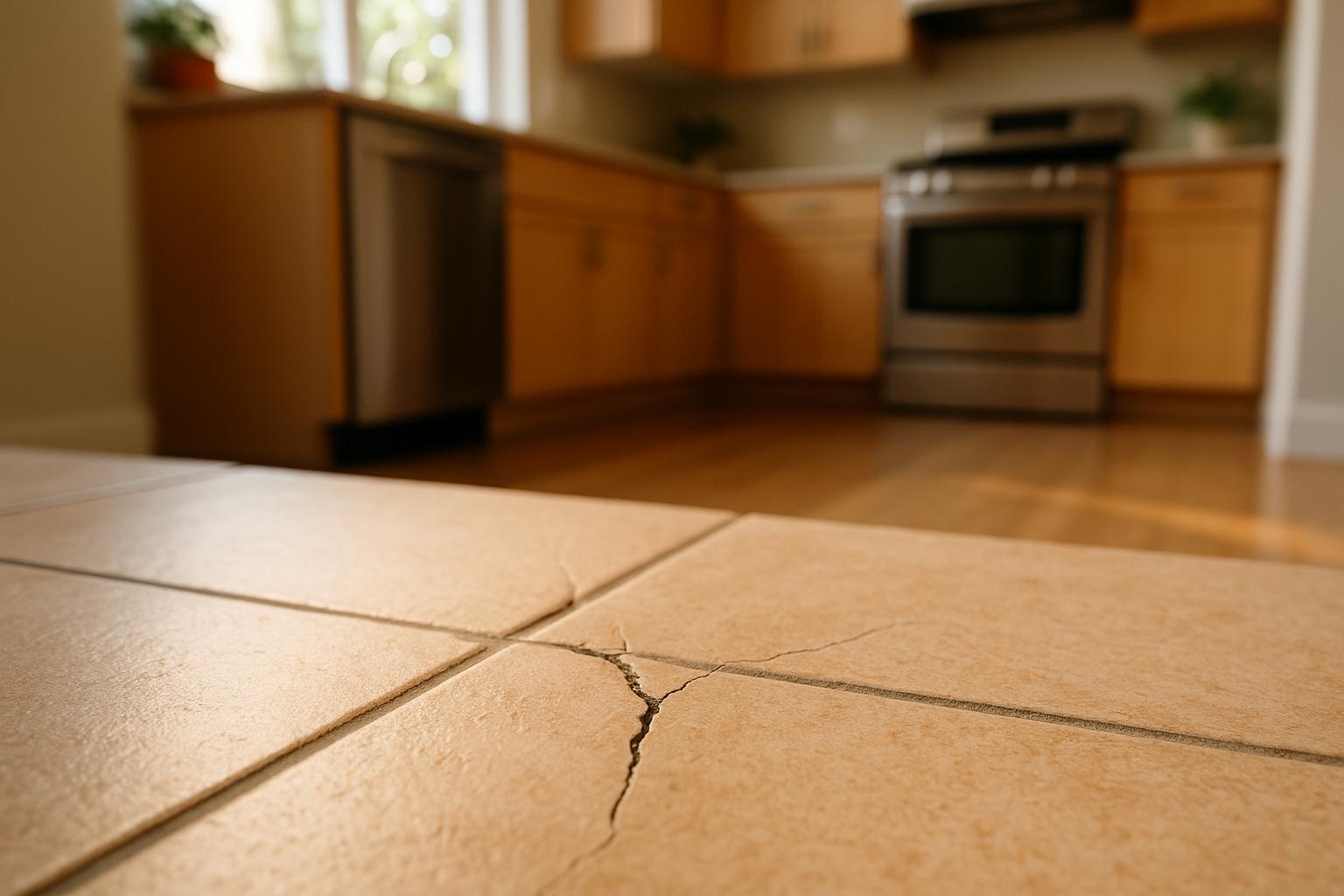
Sacramento's temperature swings and shifting substrates cause tiles to expand and contract, which often leads to cracking. David M. Gobis, Executive Director of the Ceramic Tile Education Foundation, explains:
"Ceramic tile expands and contracts with moisture and temperature at a different rate than a concrete slab or plywood does."
Heavy impacts, like a dropped object or falling branch, can instantly damage tiles. Poor installation practices, such as insufficient adhesive coverage or using low-grade materials, also contribute to this issue. In fact, cracked tile and grout rank as the second most reported problem according to the Ceramic Tile Education Foundation.
Grout in Sacramento homes tends to collect dirt and hard water deposits, thanks to the area's mineral-rich water. Over time, these deposits can leave stubborn stains.
In moisture-heavy spaces like kitchens and bathrooms, grout is especially vulnerable to mold and mildew. These appear as dark spots and can worsen over time. As David M. Gobis points out:
"Water will get through grout no matter what type and how well it's installed. The mounting surface must be waterproof in wet areas. And just a drop of water a day can lead to dry rot, mildew, and other undesirable results."
Grout's porous nature also allows bacteria and germs to accumulate, leading to discoloration and unpleasant odors.
Loose tiles in Sacramento are often caused by poor adhesive application and movement in the substrate. Over time, cracks in the slab or excessive floor deflection, combined with moisture and age, weaken the bond holding tiles in place. The Ceramic Tile Education Foundation highlights delaminating or debonding tiles as a major cause of tile failure, often occurring before visible cracks appear.
Water seeping through grout can slowly erode the adhesive, while seasonal temperature changes cause tiles and substrates to expand and contract at different rates, further stressing the bond.
Sacramento's wet winters and poor air circulation in some areas create the perfect conditions for mold and mildew to thrive. Shaded spots that collect organic debris are especially prone to this issue. While the dry summers help, moisture left behind during the cooler months can linger in poorly ventilated spaces, encouraging growth.
Roof tiles in Sacramento face challenges from the area's fluctuating temperatures and prolonged weather exposure. These conditions can cause tiles to expand, contract, and loosen over time due to brittle fasteners and aging materials.
Improper fastening during installation is another common culprit, leaving tiles vulnerable to slipping. Poor attic ventilation can trap heat and moisture, increasing thermal stress and speeding up material wear. Additionally, falling branches, hail, or debris can knock tiles loose, either immediately or gradually over time.
Up next, we’ll explore simple and effective solutions to tackle these tile issues head-on.
Now that you're familiar with common tile issues, here’s a practical guide to tackling them step by step.
Start by carefully removing the damaged tile using a hammer and chisel or an oscillating tool. Be cautious to avoid harming the adjacent tiles. Once the broken tile is out, scrape off the old adhesive from the exposed area and the surrounding tiles with a putty knife.
Next, clean the area thoroughly with a damp cloth and allow it to dry completely. Spread new adhesive evenly across the surface using a notched trowel. Avoid "spot bonding", where adhesive is applied only to parts of the tile back, as this can weaken the bond. Press the replacement tile firmly into place, ensuring it sits level with the surrounding tiles.
Matching the color of the replacement tile is essential for a seamless look. Bring a piece of the broken tile to the store to find the closest match, as tile colors often vary by production batch. Allow the adhesive to cure for 24 hours before applying grout.
Begin by scrubbing the grout lines with a brush and a commercial grout cleaner. For tougher stains, especially those caused by Sacramento’s hard water, mix baking soda with water to form a paste and gently scrub the area. Avoid using bleach-based cleaners on colored grout, as they can cause fading.
After cleaning, rinse the area thoroughly and let it dry for several hours. Apply grout sealer using a small brush or an applicator bottle, making sure to work it into the grout lines. Wipe off any excess sealer immediately.
How often you reseal grout depends on the location. In high-moisture areas like showers, reseal every 12–18 months. For drier areas, resealing every 2–3 years is sufficient.
The secret to fixing loose tiles lies in proper preparation and choosing the right adhesive. Begin by carefully removing the loose tile. Clean both the subfloor and the underside of the tile thoroughly, as any leftover adhesive can weaken the bond.
For floor tiles, use tile adhesive, thin-set mortar, or mastic, depending on the specific application. Wall tiles in wet areas need extra care - use a fortified thin-set mix instead of mastic, which can fail when exposed to moisture. If you need a quick temporary fix, 100% silicone caulking can hold the tile in place until a permanent repair is made.
Spread adhesive evenly on the back of the tile and press it firmly into place. Ensure it sits level with the surrounding tiles. Proper cleaning and full adhesive coverage are essential to prevent future loosening.
To tackle mold, mix equal parts white vinegar and water. Spray the solution on the affected area and let it sit for 10 minutes before scrubbing with an old toothbrush.
For stubborn mold, particularly in Sacramento’s shaded outdoor areas, use a commercial mold remover and follow the manufacturer’s instructions. Always wear gloves and ensure the area is well-ventilated during cleaning.
Preventing mold is easier than removing it. Improve air circulation in problem areas by using exhaust fans or opening windows regularly. Consider using mold-resistant grout in spaces prone to moisture buildup.
Roof repairs can be dangerous, so only attempt this if you’re confident in your abilities and have the proper safety equipment. Otherwise, it’s best to call a professional.
To fix a slipped tile, carefully lift it and inspect the fastener underneath. Replace any brittle or corroded nails or screws with new galvanized fasteners of the same size. Align the tile so it overlaps properly with the surrounding ones and secure it in place. While you’re up there, check nearby tiles for similar issues, as roof problems often occur in clusters.
Timing is key for roof repairs. Schedule the work during Sacramento’s dry season (late spring through early fall) when the tiles are less slippery and weather conditions are more predictable. Proper attic ventilation can also help reduce thermal stress on roof tiles, minimizing future issues.
Before diving into tile repairs, make sure you're prioritizing safety. Equip yourself with safety goggles, work gloves, a long-sleeved shirt, and a face mask. These will protect you from dust, debris, and sharp tile edges, especially when you're removing grout or breaking tiles. A face mask is particularly important when dealing with old tiles, as fine dust and tiny particles can easily become airborne.
Once you're properly protected, you'll be ready to gather the tools and materials needed to tackle your tile repair project effectively.
Once you've completed your tile repairs, it's time to focus on keeping those tiles in great shape for the long haul. With Sacramento's hot summers and occasional winter storms, tiled surfaces can face some tough conditions. By taking a few proactive steps, you can avoid costly fixes down the road and keep your tiles looking their best.
Routine cleaning is a must for maintaining your tiles. Stick to a pH-neutral cleaner mixed with warm water and a mild detergent. Harsh chemicals might seem tempting for tough stains, but they can actually damage the grout and shorten your tile's lifespan.
Grout sealing is another critical step. Sealing protects grout lines from drying out and cracking during Sacramento's summer heat while also keeping moisture out during wetter months. If you have natural stone tiles like travertine or marble, sealing is even more important to guard against stains and water damage.
Air circulation is key to keeping mold and mildew at bay. For indoor tiled areas like bathrooms and kitchens, running an exhaust fan during and after use can help clear out excess moisture. No fan? No problem - just crack open a window whenever the weather allows, and you'll improve airflow naturally.
For outdoor tiles or tiled roofs, proper ventilation is just as important. Sacramento's intense sun can cause heat to build up under roof tiles, leading to moisture problems. Make sure your attic has enough intake and exhaust vents to keep air moving. This extra airflow, combined with regular cleaning and sealing, can make a big difference in extending your tile's lifespan.
Don't let small problems turn into big headaches. If you spot a loose tile, fix it right away to prevent water from sneaking in and causing more damage.
Make it a habit to inspect your tiles regularly, checking for cracked grout, loose tiles, or signs of water damage - especially in areas where tiles meet other surfaces. For more complex setups like heated floors or outdoor patios, consider scheduling professional inspections every so often to catch hidden issues.
It’s also a good idea to keep a repair kit handy. Stock it with matching grout, caulk, and other touch-up materials so you're ready to tackle minor problems as they arise. A little effort now can save you a lot of trouble later.
While many tile issues can be tackled with a DIY approach, there are times when calling in a professional is the smarter choice. This can save you not only time but also avoid costly mistakes and unnecessary frustration.
For large-scale projects - like retiling an entire bathroom or kitchen - professionals bring the know-how to manage complex layouts and deliver high-quality results efficiently. Their experience ensures that even the trickiest designs are executed with precision.
If your grout has severe discoloration or dark stains, it might be a sign of deeper problems such as mold, mildew, or ongoing moisture issues. In such cases, a professional assessment and treatment are highly recommended to address the root cause and prevent further damage.
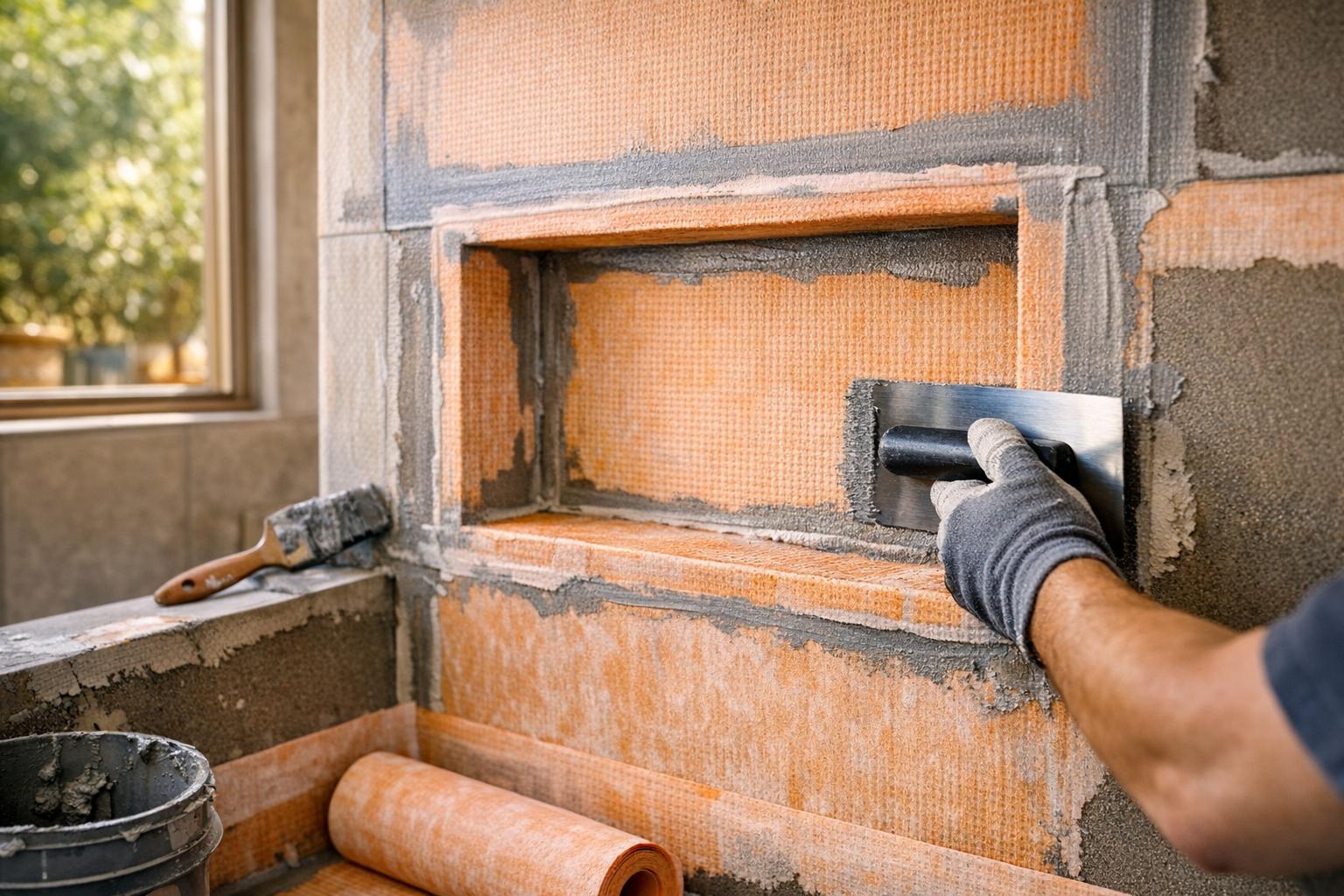
Specialized installations, such as heated floor systems or waterproofing membranes, also demand a professional touch. These projects require precise techniques and specialized materials to ensure durability. Mistakes in these areas can be expensive to fix, so hiring an expert can actually be the more economical option in the long run, guaranteeing the job is done correctly from the start.
At Skyline Tile, we’re equipped to handle even the most challenging tile issues that DIY solutions can’t resolve. With years of experience navigating Sacramento’s distinct climate, our team specializes in custom tile installations, waterproofing, heated floor systems, and complete bathroom and kitchen renovations. Plus, every job is backed by our 5-year workmanship warranty for added peace of mind.
For minor repairs, DIY might be sufficient. But for extensive damage or intricate projects, trusting a professional ensures a durable, reliable fix. Accurately assessing your project’s scope will help you decide when to roll up your sleeves or call in the experts.
Taking care of your tiles doesn’t just keep them looking great - it also ensures they stay functional and prevent small problems from turning into expensive headaches. A little attention now can save you a lot of trouble down the road.
Simple habits, like wiping down shower tiles after use to avoid mold or fixing a single cracked tile before water sneaks underneath, can make a big difference. These small steps add up, saving you money and protecting your home’s value over time.
Living in Sacramento brings its own challenges for tile maintenance. The area's seasonal temperature swings can cause tiles to expand and contract, making regular inspections even more important. Pay close attention to grout lines, especially in moisture-heavy spots like kitchens and bathrooms, and check them every few months.
It’s also smart to keep a basic repair kit on hand for quick fixes. But when it comes to more serious issues - like structural damage, waterproofing failures, or widespread mold - calling in a professional ensures the problem is handled properly and won’t come back to haunt you.
To prevent mold and mildew from taking hold in tiled spaces with poor ventilation, prioritize better airflow. Whenever possible, turn on an exhaust fan or crack open a window, especially after showers or during humid days. Make it a habit to wipe down and thoroughly dry tiled surfaces to eliminate lingering moisture. Once a week, clean these areas using a mold-resistant cleaner to keep them fresh. For extra defense, seal grout lines to minimize moisture absorption and help keep mold at bay.
If you spot a cracked tile, it could be more than just a cosmetic issue - it might signal a deeper structural problem. This often happens when there's movement in the substrate or cracks in the concrete slab below. Homes in regions with shifting soil or older properties with unevenly settled foundations are particularly prone to this.
To figure out if the crack is just surface damage or something more serious, look for additional clues. Uneven floors, several cracked tiles in the same area, or noticeable gaps between tiles and walls can all point to underlying structural concerns. If these signs are present, reaching out to a professional for an evaluation is a smart move.
When dealing with tile damage, it's wise to call in a professional if the issues are more severe - think large cracks, numerous loose or missing tiles, or widespread problems with grout. Experts not only bring the right tools but also the know-how to tackle these challenges and deliver a long-lasting, polished result.
If the damage includes structural concerns, water issues, or mold, professionals are better equipped to handle these safely and thoroughly, minimizing the risk of further complications. While smaller tasks like fixing minor cracks or touching up grout can often be handled with DIY efforts, more extensive repairs are best left to the pros.